
What Hydro Jetting Reveals Beneath Years of Pipe Buildup
What looks like an ordinary clog can sometimes be years of accumulated material hiding a bigger drain problem. Grease, minerals, sludge, soap residue, and debris can coat the inside of a line until the original…
What looks like an ordinary clog can sometimes be years of accumulated material hiding a bigger drain problem. Grease, minerals, sludge, soap residue, and debris can coat the inside of a line until the original pipe surface becomes difficult to examine. As the layers grow, they restrict flow and may cover corrosion, cracks, worn joints, and other issues. Hydro jetting removes these deposits from the pipe walls, giving professionals a clearer view of the surface underneath. Clearing the pipe buildup can then help determine whether the drain needs cleaning or warrants closer inspection.
How Years of Pipe Buildup Change a Drain
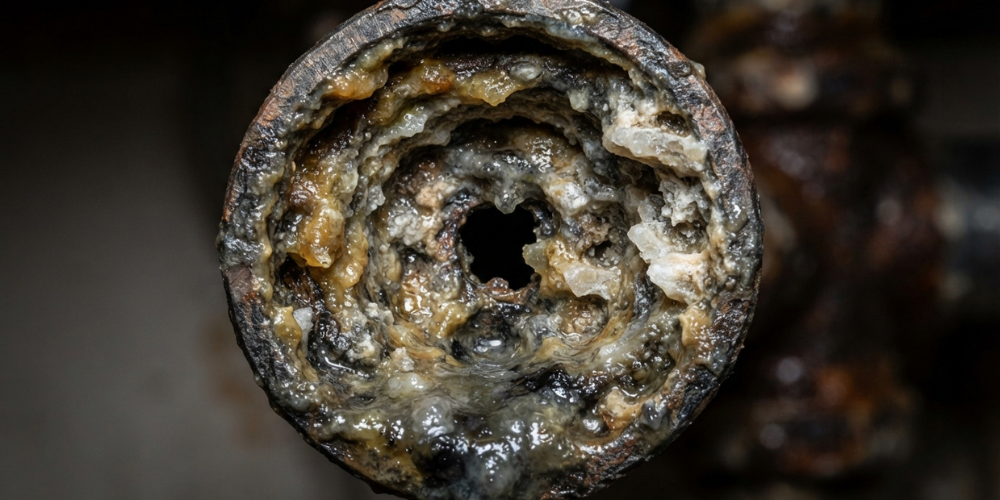
Drain lines can collect residue for years before the restriction becomes obvious. As pipe buildup thickens on the interior walls, it reduces available space and alters the surface that the wastewater must pass through. The following changes can affect drainage:
- Narrower pipe opening: Layers of grease, mineral deposits, soap residue, and sludge reduce the line’s usable diameter and restrict water flow.
- Rougher interior walls: Hardened deposits create uneven surfaces where food particles, hair, waste, and other debris can catch rather than move through the pipe.
- Faster debris accumulation: Once the interior becomes rough, new material has more places to attach, allowing pipe buildup to develop more quickly.
- Recurring slow drains: A partial opening may still allow water to pass, so repeated slow drainage can appear to be separate clogs even when the buildup extends farther along the line.
When residue coats a larger section of the line, clearing only the immediate blockage may provide temporary relief while leaving much of the accumulated material behind. In these cases, hydro jetting may provide more thorough cleaning by targeting deposits that extend along the pipe walls.
Hydro Jetting Strips Away Hidden Layers
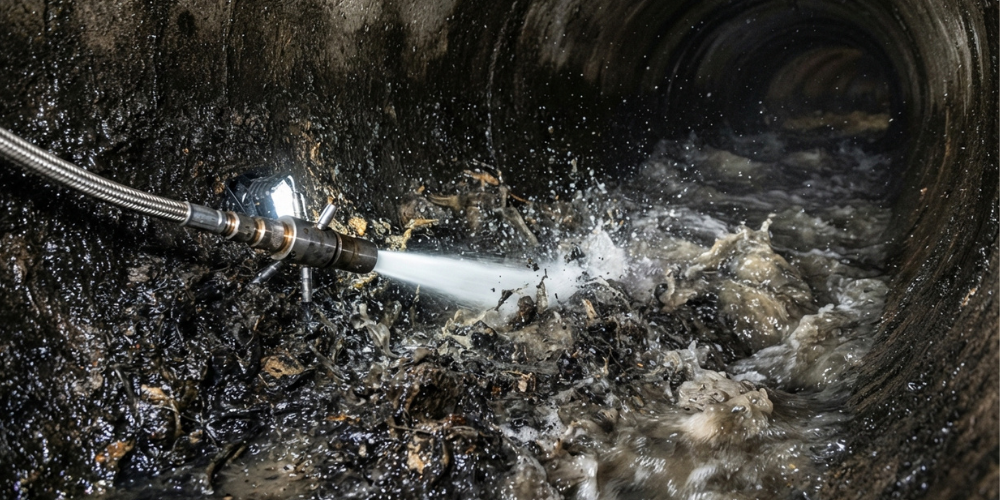
Some drain-clearing methods create enough space for water to move again without removing deposits along the pipe walls. In comparison, hydro jetting uses pressurized water to break apart and flush away material throughout the affected section. The cleaning process can address different types of deposits, such as:
- Grease: Pressurized water loosens layers of fats and oils coating kitchen drains and sewer lines.
- Scale: Water pressure can break apart mineral deposits that have hardened against the interior surface.
- Sludge: The water stream loosens accumulated organic matter and sediment, clearing them from the pipe.
- Wall-to-wall buildup: Instead of creating only a narrow opening through a blockage, hydro jetting targets material attached across the pipe interior.
Removing these layers does more than improve flow. It exposes the actual pipe surface, making it easier to distinguish routine accumulation from conditions that may require further attention.
Corrosion May Be Hiding Underneath
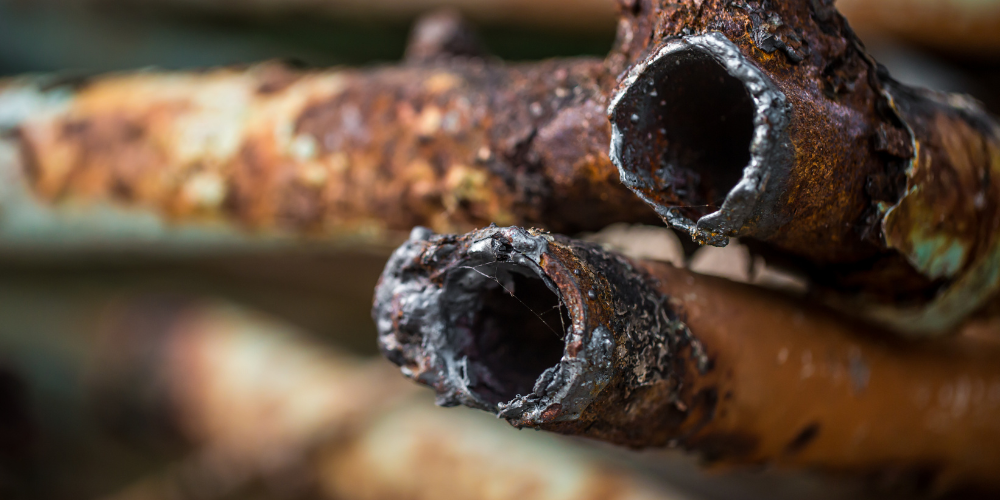
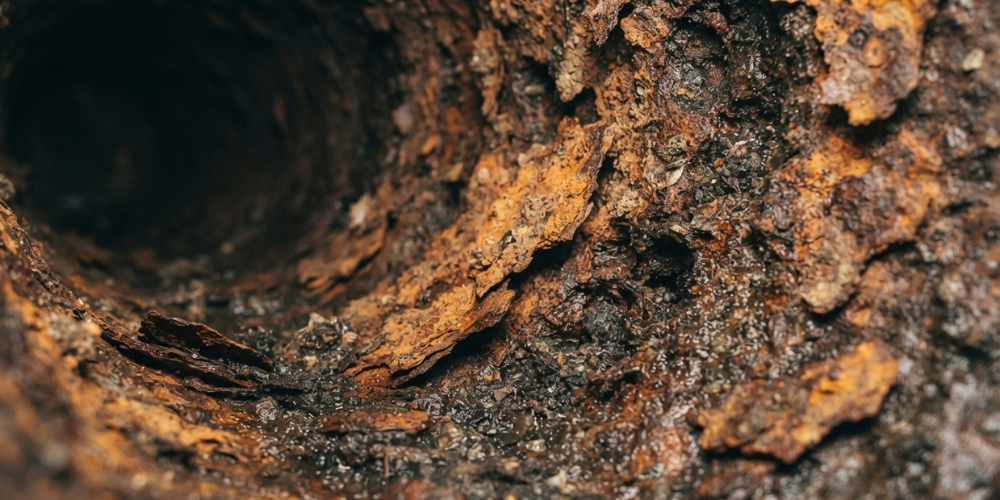
Heavy deposits can conceal deterioration, particularly in older metal piping. Once the buildup disappears, signs of material breakdown may become apparent, providing useful information about the condition of the line, including:
- Rust: Exposed metal may show oxidation that has accumulated material previously concealed.
- Scaling: Corrosion products can form rough deposits that further reduce the interior diameter of metal piping.
- Pitting: Small cavities in the pipe surface may indicate localized corrosion and gradual material loss.
- Deteriorated sections: Areas with substantial wear may exhibit thinning, surface damage, or other signs warranting closer evaluation.
Finding corrosion after cleaning does not automatically mean the entire line requires replacement. Instead, professionals can assess the exposed pipe and determine whether cleaning has addressed the drainage problem or whether the affected section requires further evaluation or repair.
Cracks and Joint Problems Become Clearer
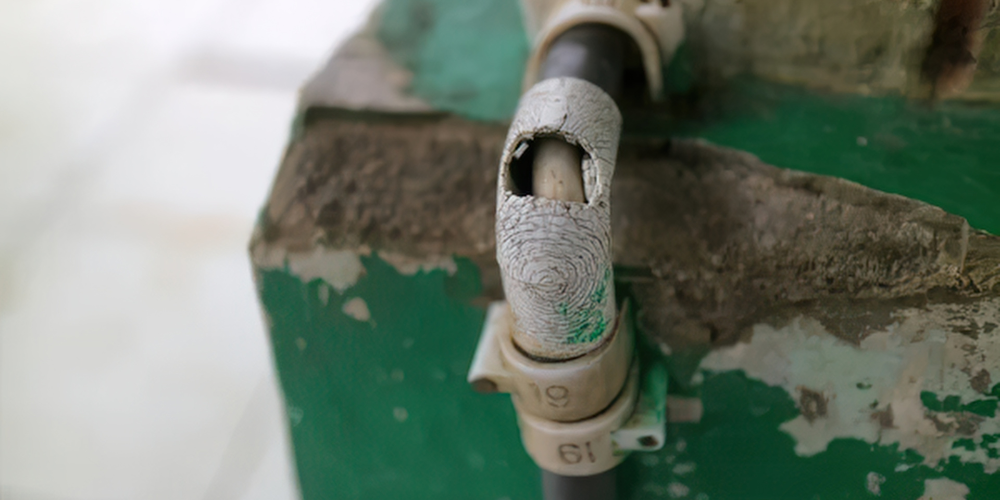
Accumulated debris can interfere with an inspection by covering the interior surface. As a result, cracks, separated connections, and damaged joints may be difficult to distinguish when thick deposits remain inside the line. Clearing pipe buildup can make structural concerns easier to identify, such as:
- Pipe cracks: Removing residue can expose previously covered fracture lines or openings.
- Separated connections: Gaps between pipe sections may become easier to recognize once debris no longer blocks the camera’s view.
- Damaged joints: Worn or shifted joints can create irregular areas where waste repeatedly collects.
- Alignment problems: Clean pipe walls can make offsets, displaced sections, and changes in pipe position easier to spot.
After cleaning, a follow-up camera inspection provides a less obstructed view of the line. Professionals can then pinpoint visible damage and determine whether the affected area requires closer evaluation or repair.
Root Intrusion Can Leave Clues Behind
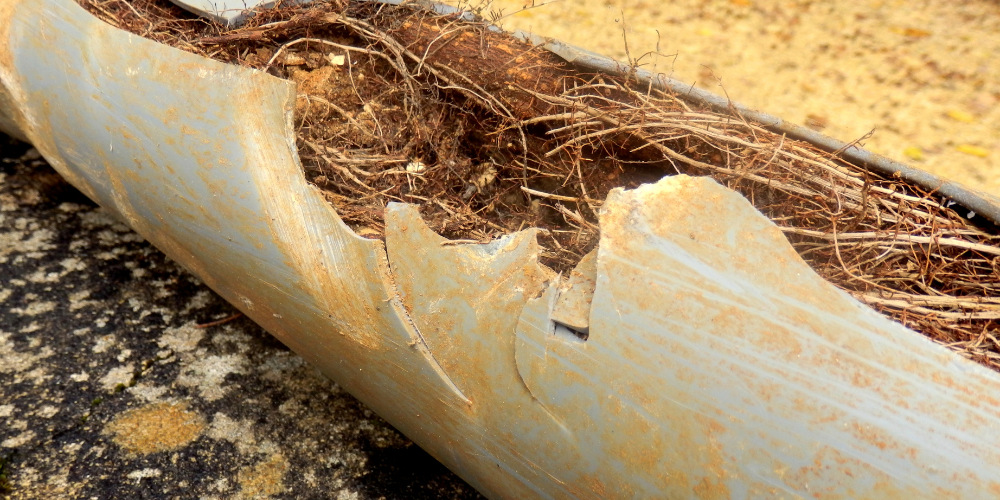
Roots often enter sewer lines through cracks, loose joints, or other vulnerable openings. Once inside, they can catch waste and create conditions that cause pipe buildup to recur in the same section. The following signs can point to possible root intrusion:
- Repeated blockage at one location: Waste may continue to collect where roots interfere with normal flow.
- Debris caught around joints: Roots near a connection can trap paper, solids, and other material moving through the sewer line.
- Irregular obstructions: Root growth can interrupt the interior pathway and give passing debris a place to collect.
- Visible entry points: After clearing the accumulated material, a camera inspection may reveal cracks or joints where roots have entered.
When the pipe condition allows it, hydro jetting can clear accumulated material around the affected area. Clearing away debris gives professionals a clearer view of the location and severity of potential root intrusion.
Recurring Buildup Reveals Drain Trouble
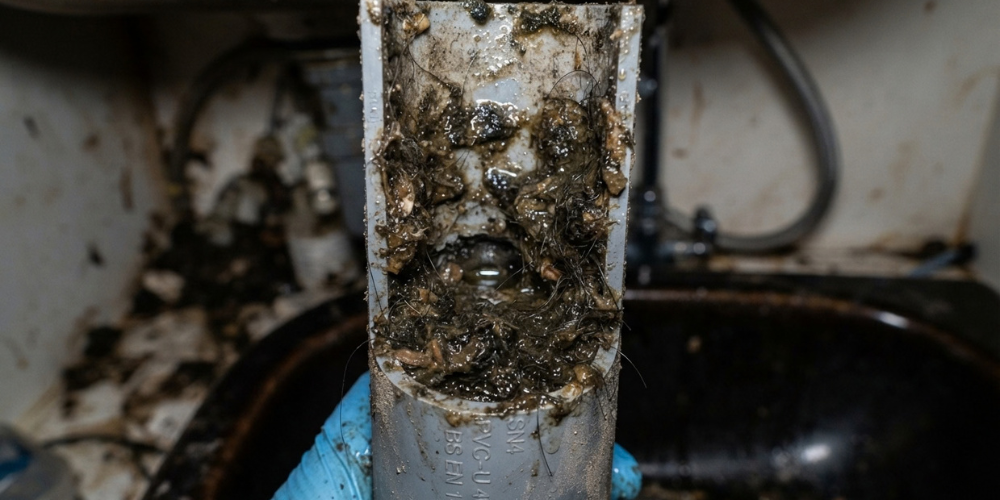
When deposits repeatedly return to the same part of a drain or sewer line, the problem may involve more than routine accumulation. Persistent pipe buildup can point to conditions that prevent waste and water from moving through the system as intended. Professionals may uncover issues such as:
- Low spots: Sections that hold water can allow sediment and waste to settle rather than continue downstream.
- Rough pipe surfaces: Corrosion, scaling, or deterioration can provide more places for debris to collect.
- Damaged sections: Cracks, deformation, or displaced connections can interrupt flow and contribute to repeated blockages.
- Restricted flow areas: Changes in the pipe’s interior opening or alignment can slow drainage and encourage material to accumulate in the same location.
After hydro jetting removes the accumulated deposits, professionals can inspect the cleaned section and identify why the buildup keeps returning. This distinction helps determine whether the drain needs routine maintenance or whether an underlying plumbing problem requires further inspection or repair.
See Beyond the Drain Buildup
Years of hidden deposits can tell a different story once the pipe walls are clean. Removing pipe buildup may expose corrosion, cracks, damaged joints, root intrusion, and other conditions that accumulated debris had concealed. More importantly, hydro jetting gives professionals a clearer surface to inspect instead of assessing the line through layers of residue. Pairing the cleaning process with a camera inspection can also help identify why drainage problems keep returning and whether the line needs further attention. To get a clearer picture of your plumbing, reach out for professional hydro jetting services in Birmingham, AL, and ask whether this approach is suitable for your lines.
References:
- Blake, L. (2023, July 27). Hydro jetting: A Versatile and Eco-Friendly Solution for Civil Engineering. Retrieved from https://engineeringcivil.org/articles/hydro-jetting-a-versatile-and-eco-friendly-solution-for-civil-engineering/
- O’Shields, S. M. (2025, February 11). F.O.G. (FATS, OILS, AND GREASE) POLLUTION | Home & Garden Information Center. Retrieved from https://hgic.clemson.edu/factsheet/f-o-g-fats-oils-and-grease-pollution/