
Water Heater Repair Signs Behind Longer Heating Cycles
A few extra minutes of heating can reveal a problem that is easy to miss. When a water heater starts taking longer to reach the expected temperature, sediment, worn parts, or faulty controls may be interfering with its operation. These issues can reduce heat transfer and extend recovery after normal hot-water use. As a result, everyday activities such as showering or washing dishes may leave you waiting longer for the next supply.
While occasional delays can happen during heavy use, repeated changes in recovery time deserve attention. In addition, longer cycles may increase energy use and place more demand on working components. Recognizing the pattern early can help prevent the issue from affecting your hot-water supply. Timely water heater repair can identify the source and determine what needs attention. Read on to learn the warning signs of longer heating cycles and when your water heater needs attention.
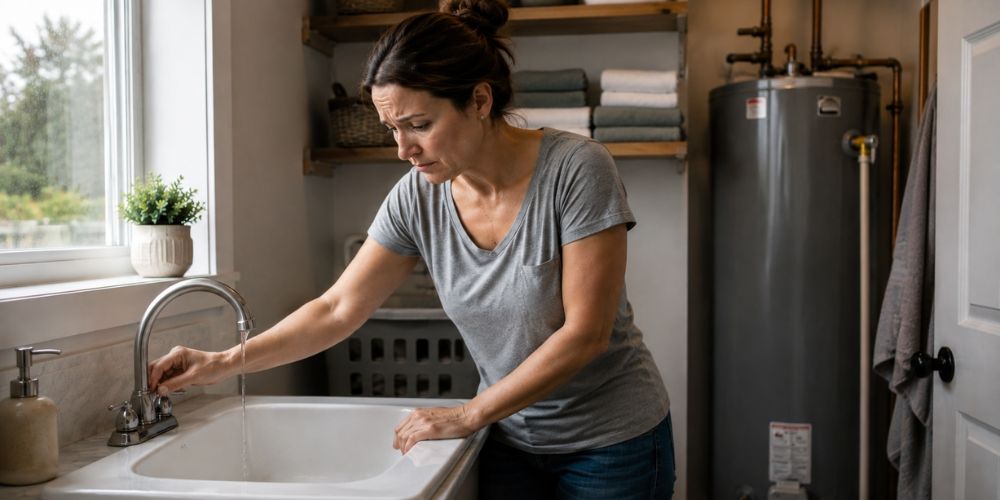
1. Notice Slower Hot Water Recovery
Recovery time indicates how quickly a water heater refills the supply after you use hot water. When recovery takes longer during normal use, the system may no longer transfer heat at the expected rate. Check for the following changes:
- Longer recovery: After a shower, a laundry cycle, or washing dishes, the tank takes longer to restore enough hot water for the next activity.
- Repeated delays: Similar daily activities start producing longer waits even though household hot-water demand has not changed.
For a useful comparison, monitor recovery after similar activities rather than during periods of high demand. If the delay becomes consistent, water heater repair can help experts identify what is slowing the heating process.
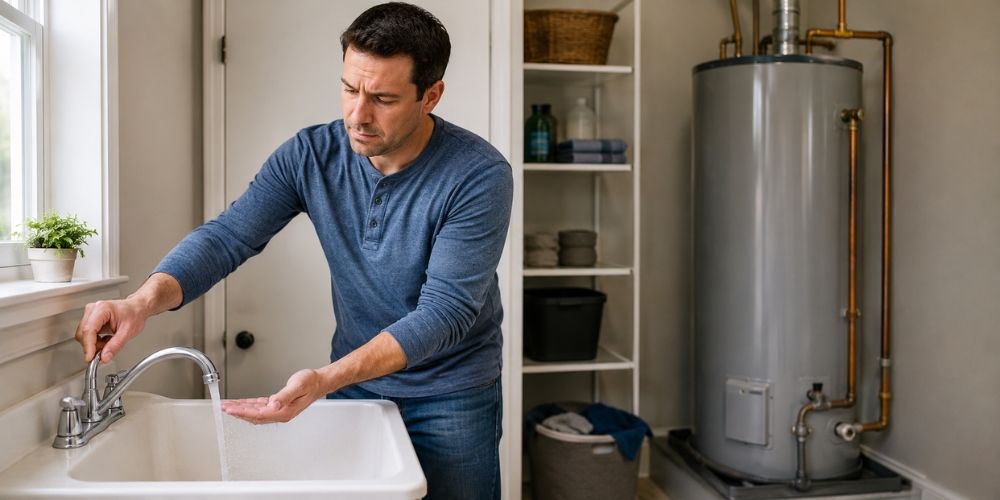
2. Look for Temperature Changes
Temperature changes can provide another clue that longer heating cycles involve more than household demand. For example, a heating element, burner, thermostat, or heat-transfer problem may prevent the unit from maintaining the expected temperature. Look for the following patterns:
- Slow heating: Water takes longer to get hot, even when household demand remains within its normal range.
- Lukewarm water: The supply cools sooner during routine use because the system may not produce enough heat to maintain the expected temperature.
- Multiple fixtures: Showers, sinks, and other faucets develop the same temperature problem, which can point back to the water heater.
- Temperature shifts: Water alternates between hot and lukewarm during continuous use, indicating that the system may not heat consistently.
When these changes affect several fixtures, water heater repair can help determine whether the problem comes from the heater rather than an individual faucet or shower.
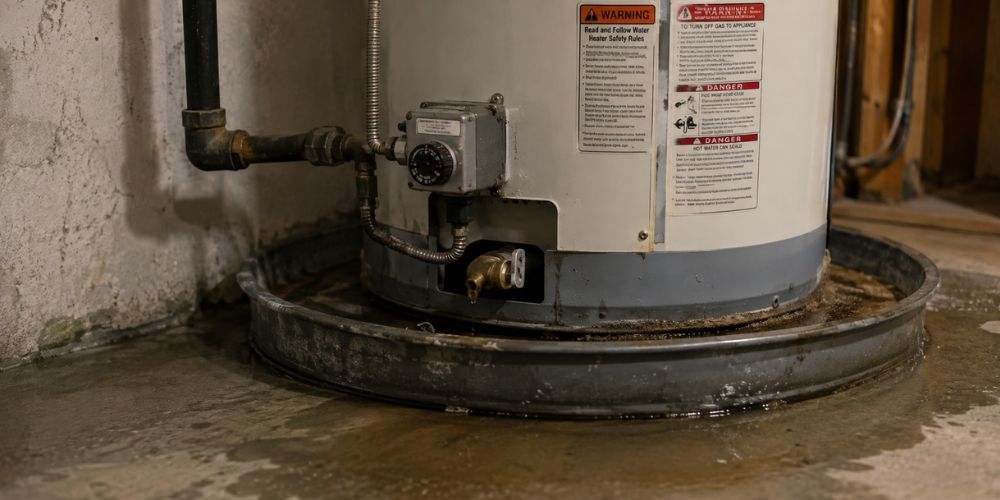
3. Listen for Sediment Warning Signs
Over time, sediments can build up at the base of a tank-style water heater. As the layer builds, it can interfere with heat transfer and force the system to run longer. Common warning signs include:
- Popping sounds: Water trapped beneath mineral deposits can produce popping or crackling noises as heat passes through the sediment.
- Rumbling noises: A thicker layer of buildup may produce deeper sounds while the burner or heating elements heat the stored water.
- Longer cycles: Sediment can limit heat transfer, causing the system to operate longer before the water reaches the set temperature.
- Reduced capacity: Mineral deposits can occupy space inside the tank, leaving less room for heated water and reducing the usable supply.
When several of these signs appear together, experts can determine whether flushing, maintenance, or water heater repair is the appropriate next step.
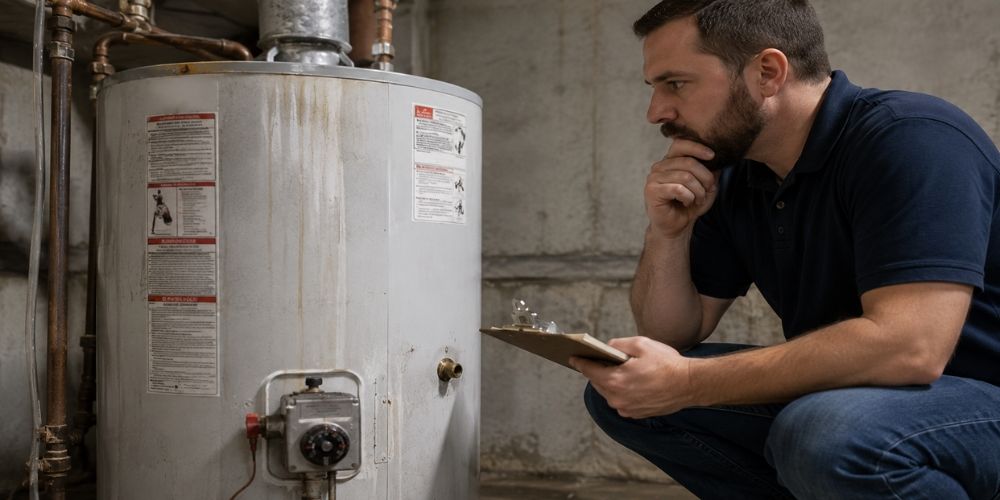
4. Check Related Water Heater Repair Clues
Longer heating cycles can occur alongside other changes in the unit's operation. Instead of focusing only on recovery time, watch for signs that show how the system handles each heating cycle, such as:
- Frequent cycling: The system starts and stops more often than usual, rather than completing a consistent heating cycle.
- Unexpected shutdowns: The heater stops before reaching the set temperature or fails to restart when the stored water begins to cool.
- Higher energy use: Longer or more frequent heating cycles can increase energy consumption without providing additional usable hot water.
Rather than repeatedly resetting the system, keep track of when these symptoms occur. This information can help professionals focus water heater repair on the underlying operating problem.
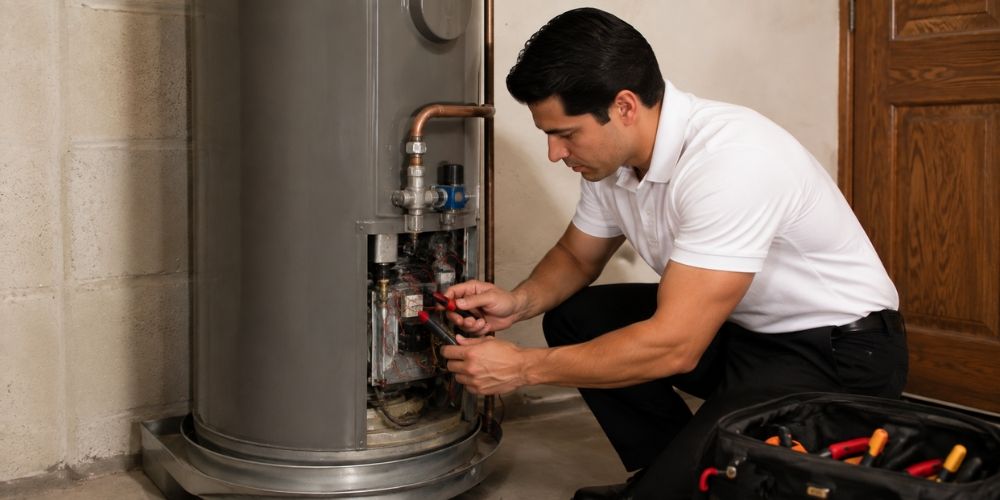
5. Consider Heating Component Wear
Heating components can lose performance as they age. Electric models rely on heating elements, while gas models depend on burners and ignition components. Problems with these parts can extend heating cycles in different ways, including:
- Worn elements: A weak or failed electric heating element can shift more of the heating load onto the remaining element, which increases recovery time.
- Burner problems: Buildup or wear can reduce burner output, causing a gas water heater to take longer to reach the selected temperature.
- Ignition issues: A burner that does not ignite when required can delay the start of the heating cycle and slow hot-water recovery.
- Uneven operation: Components that work intermittently may produce inconsistent heating times even when household demand remains similar.
However, a longer cycle does not automatically mean the entire unit requires replacement. Water heater repair can test individual components and determine whether a targeted fix can restore normal operation.
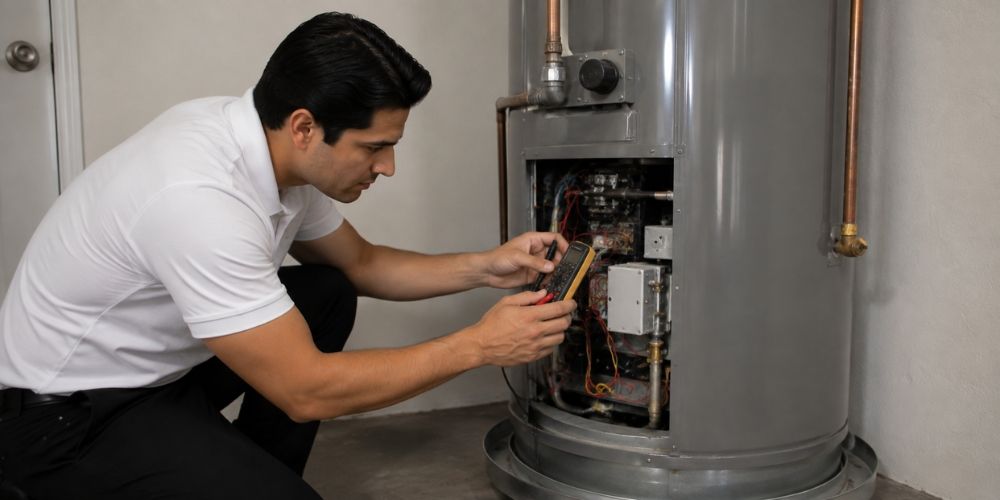
6. Check Thermostat Performance
The thermostat tells the water heater when to start and stop heating based on water temperature. If the thermostat or its related controls fail to respond correctly, the system may operate outside its normal heating cycle. Watch for the following control-related indicators:
- Delayed heating: The thermostat may fail to activate the heating system when the tank temperature falls below the set point.
- Extended cycles: A control issue may prevent the system from recognizing when the water reaches the selected temperature.
- Incorrect shutoff: A faulty thermostat may keep the heating components operating after the water has reached the required temperature.
- Control failure: Problems with thermostat connections or related controls may interrupt the signals that regulate heating cycles.
Instead of raising the temperature setting to compensate for slow heating, have an expert water heater repair to test the thermostat and related controls.
7. Know When Delays Need Attention
Heavy household demand can temporarily extend recovery time. However, repeated delays during normal use deserve attention, especially when other problems develop. Consider these factors:
- Frequent repairs: Repeated service needs may indicate that several components are beginning to wear or develop operating problems.
- Unit age: An older water heater with recurring faults may reach a point where continued repairs provide less practical value.
- Repair scope: Problems involving several major components can affect whether another repair makes sense compared with replacing the unit.
- Overall condition: Leaks, corrosion, and declining heating performance can help experts determine whether the system remains worth repairing.
At this stage, an expert can assess the entire system rather than focusing on a single symptom. This approach can help you decide whether water heater repair can address the problem or if replacement is the more practical option.
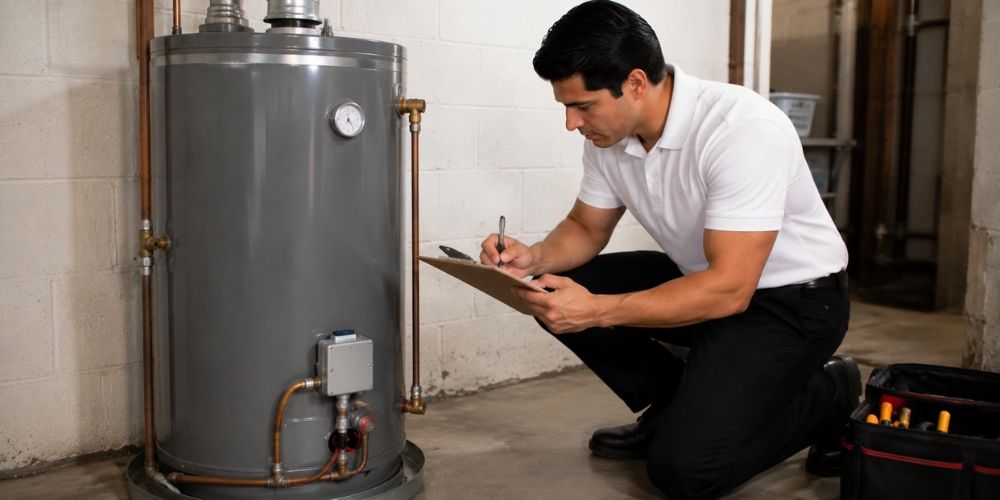
Stay Ahead of Slow Water Heater Recovery
Small changes in heating time can provide an early warning that sediment, controls, or heating components need attention. For this reason, monitor recovery time along with water temperature, operating sounds, and hot-water availability. Tracking these changes gives professionals useful information for identifying what is extending each heating cycle. When slow recovery becomes routine, consider water heater repair services in Bessemer, AL, to address the source and help maintain a reliable hot-water supply.
References:
- Plumbing: Water Heater TPR Valves | InterNACHI. (n.d.). Retrieved from https://www.nachi.org/plumbing-tpr-valves-hhenews.htm
- Jutras, N. (2024, February 2). When Should You Replace Your Water Heater?. Retrieved from https://www.energystar.gov/products/ask-the-experts/when-should-you-replace-your-water-heater#:~:text=What%20are%20the,high%20operating%20costs.