
6 Signs You Need a Toilet Repair
A few extra seconds of running water may not seem like a big deal at first. However, when the same issue keeps happening after every flush, it can indicate a worn component or another problem…
A few extra seconds of running water may not seem like a big deal at first. However, when the same issue keeps happening after every flush, it can indicate a worn component or another problem inside the fixture. Changes in flushing and water levels can also signal the need for toilet repair. The warning signs can also appear outside the tank and bowl. Recognizing these clues can help you act before the problem becomes more disruptive. Here are five signs to watch for around your toilet.
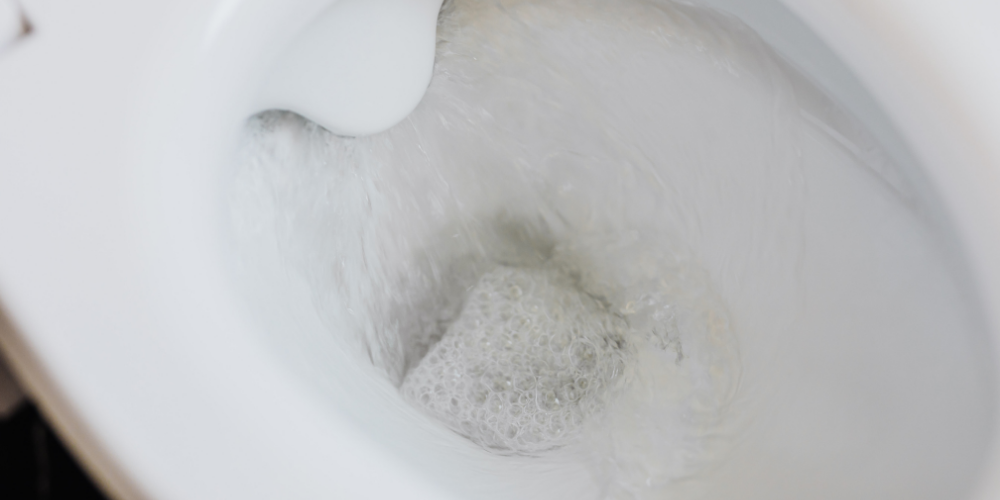
1. Water Keeps Running After Flushing
A toilet normally stops filling once the tank reaches the correct water level. However, when water continues running after the flush cycle ends, the toilet may waste water even when no one is using it. Several internal problems can cause continuous running that needs toilet repair, such as:
- Worn flapper: A flapper that no longer seals the flush valve allows water to escape from the tank into the bowl.
- Faulty fill valve: A damaged fill valve may continue supplying water even after the tank reaches its normal level.
- Incorrect float setting: A high float setting can cause the tank to keep filling instead of stopping at the proper water level.
- Frequent refilling: An internal leak may gradually lower the tank’s water level, causing the toilet to refill even when no one flushes it.
- Continuous running sounds: Ongoing water sounds after flushing often point to tank components that need inspection.
In many cases, toilet repair can restore the normal fill cycle without replacing the entire fixture. Professionals can inspect the tank and correct the faulty component. Early repairs help reduce water waste and unnecessary wear.
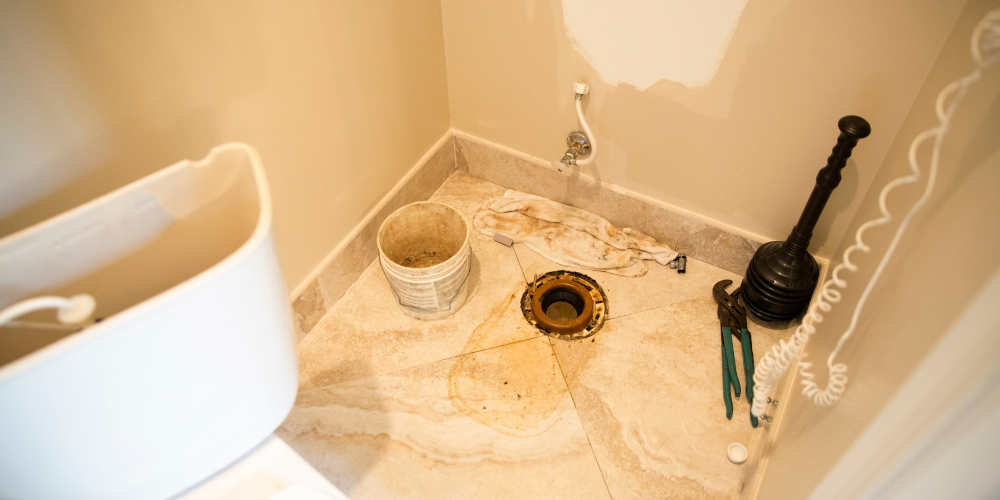
2. A Toilet Leak Forms Around the Base
Water collecting around the bottom of a toilet requires attention because visible moisture does not always reveal where the problem started. In particular, several fixture and connection problems can cause a toilet leak near the floor, including:
- Damaged wax ring: A worn or compressed seal between the toilet and drain opening can allow water to escape during flushing.
- Loose connections: Water supply fittings or tank-to-bowl connections may drip, causing moisture to run down the fixture toward the base.
- Fixture damage: Cracks in the bowl or tank can release water that eventually collects around the toilet.
- Unstable mounting: A toilet that shifts during use can weaken the seal underneath and allow water to reach the surrounding floor.
Before beginning toilet repair, professionals can locate the exact source of the toilet leak. This prevents repairs from targeting the wrong component.
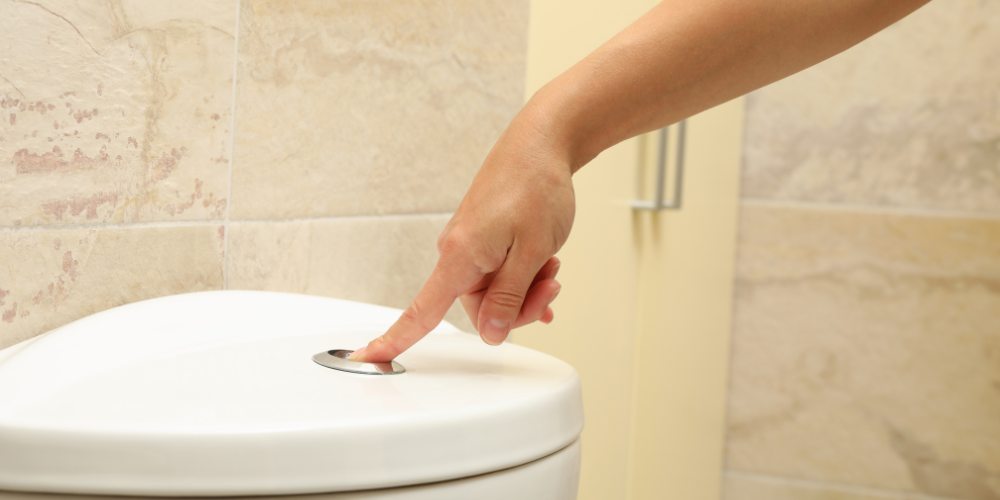
3. Flushing Becomes Weak and Unreliable
A properly working toilet clears the bowl with a consistent flush. When flushing becomes weak or requires several attempts, the problem may involve restricted water flow, an obstruction, or worn internal parts. Common causes include:
- Partial clogs: Waste or other material lodged in the trapway can restrict flow without completely blocking the toilet.
- Blocked rim jets: Mineral buildup can reduce the amount of water entering the bowl during each flush.
- Low tank water: An incorrect water level leaves less water available to create enough flushing force.
- Worn components: Aging flappers, flush valves, and related parts can prevent the tank from releasing water correctly.
Repeated flushing may provide temporary results. However, professional toilet repair can identify whether restricted flow, tank operation, or worn parts are causing the problem. Correcting the cause helps restore consistent flushing.
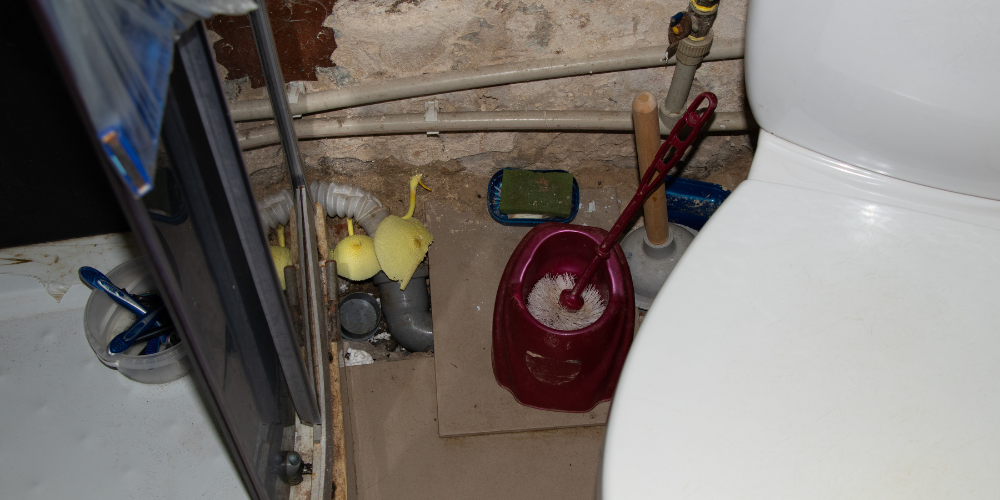
4. The Toilet Starts Rocking
A properly installed toilet remains firmly secured to the floor during use. Once the fixture begins to rock or shift, the movement can affect its mounting points and the seal beneath it. The following conditions may cause instability:
- Loose mounting bolts: Bolts that loosen over time may no longer hold the toilet firmly against the floor.
- Flange damage: A cracked, corroded, or damaged flange can prevent the fixture from staying securely anchored.
- Uneven flooring: An uneven surface can keep the toilet from sitting level and cause it to shift when the weight shifts.
- Weakened flooring: Moisture damage around the fixture can reduce floor stability and allow the toilet to move.
As the toilet continues to rock, repeated movement can weaken the seal beneath it. Eventually, this can create a hidden toilet leak around the base. Thus, timely toilet repair can prevent further movement and seal damage.
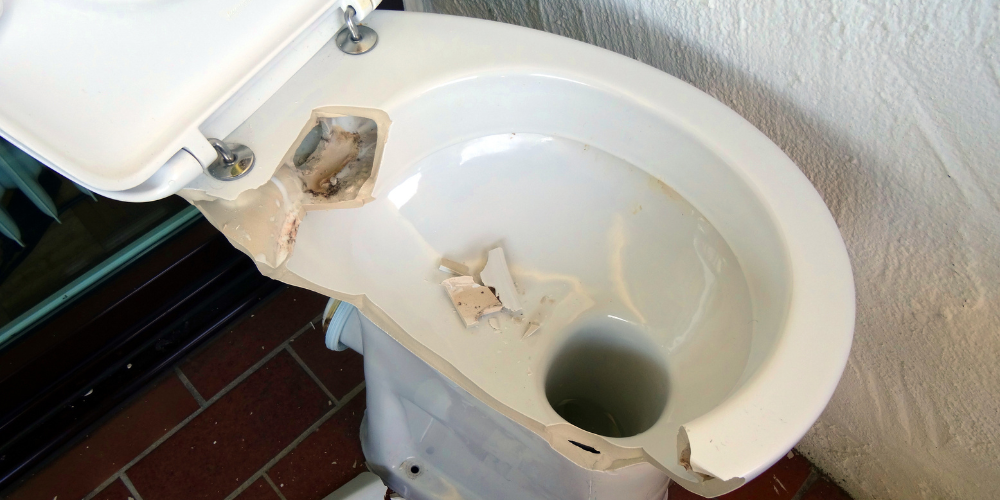
5. Cracks Begin to Show
Cracks in a toilet tank or bowl can range from surface marks to openings that allow water to escape. Since the damage can worsen with regular use, even a small crack requires closer inspection. Watch for the following conditions:
- Tank cracks: A crack below the tank’s waterline can release water, creating recurring moisture around the fixture.
- Bowl cracks: Damage to the bowl may cause a toilet leak during or after flushing.
- Growing fractures: A crack that lengthens or widens can indicate a decline in the fixture’s structural integrity.
- Recurring moisture: This may point to a crack that allows water to seep through the fixture.
An inspection can determine whether toilet repair can address the damage or whether the fixture needs replacement. Early action can prevent a persistent toilet leak.
Take the Hint From Your Toilet
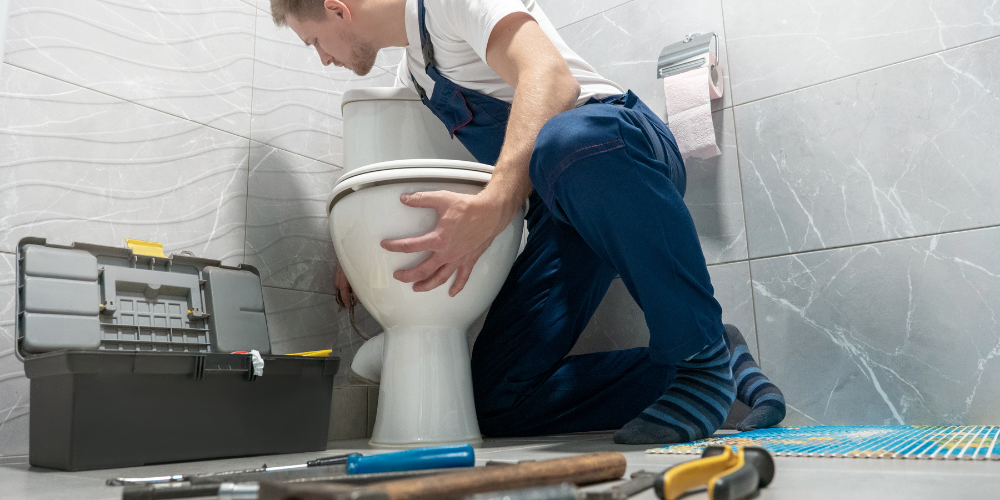
Your toilet does not have to stop working completely before it needs attention. Constant running, poor flushing, movement at the base, and visible cracks can signal developing problems, while a toilet leak may expose nearby flooring to unwanted moisture. Addressing these signs with timely toilet repair can keep a manageable issue from becoming more troublesome.
If the symptoms keep coming back, avoid relying on short-term fixes. Reaching out to Alabama’s trusted toilet repair professionals can make it easier to uncover the cause and choose the appropriate solution. With the problem properly addressed, you can resume using your toilet without worrying about the issue returning.
Reference:
- Manna, A. (2026, August 8). Why Is My Toilet Tank Leaking? 3 Real Causes. Retrieved from https://whyismy.org/articles/why-is-my-toilet-tank-leaking